Hi Grace, it appears to me what you wrote is most likely not due to anything you do, or don’t do, but simply the biology of the rose. From your photo, the rose appears to be Dr. Huey, the root stock upon which the majority of roses produced in the US are budded on to. Dr. Huey was a break through when it was introduced in 1914. At that point in history, “Dooryard Roses” were quite popular. They were climbers grown literally as you grow yours, to decorate the door to your home. Up to Dr. Huey, Dooryard Roses were all white to pastel colors. Huey was the first cold hardy, dark colored Dooryard Rose. A production accident around WWII showed it was also significantly better suited as a root stock for commercial production than what had previously been the standard.
Dr. Huey isn’t terribly disease resistant in most places. It succumbs to black spot, mildew and rust when those issues are present. Its flowers aren’t particularly long-lasting, either. From what you wrote, it seems you may be mistaken that something you could do might make the flowers last longer. Probably not. Dr. Huey is once-flowering, meaning it doesn’t repeat its bloom in a season, so once it has produced its crop of flowers, it’s finished for the year. That’s fine if it’s being grown in a short growing season climate so its flowering lasts nearly the length of the season, but where there could be further blooms before the weather turns too cold, it’s a disappointment. Replacing it with a variety which genetically flower repeatedly would solve your issues with flowers dying and not being replaced.
I don’t have a suggestion for any chemical intervention to prevent disease issues on the foliage as I don’t grow roses in a climate similar to yours. The disease pressures here are vastly different from those under which you garden and the literal races of fungi we face are different from yours. I would contact a local chapter of the ARS and ask for assistance from one of their Consulting Rosarians as they will be familiar with the fungal issues prevalent where you are and will know what products are suitable for the disease problems you face.
The Miracle Gro Water Soluble Rose Food will feed the rose but probably not do much to prevent yellowing of the leaves, nor will it prevent the flower petals from curling and darkening. It should make it grow larger and possibly produce a heavier single crop of flowers. Yellowing foliage can be caused by many factors, including natural aging of the leaves and being shaded out by new growth, so “yellow leaves” isn’t necessarily a “problem”. We grow roses for their flowers. The rose produces flowering to literally reproduce itself. Every organism in Nature is programmed to reproduce itself before it dies to perpetuate the species. Flowering is ovulation, hip and seed set is pregnancy, the literal biological reason for flowering. Flower petals are soft and fragile and not meant to last long periods. Some varieties do have longer lasting petal tissue than others. Generally dark colored petals don’t last as long as lighter colors because dark colors absorb more heat from sunlight and burn faster than lighter colored petals do. Generally, less double flowers last a shorter period than more double flowers and literally, a nearly 120 year old rose variety’s flowers won’t last as long as those of a variety bred many decades later, which was specifically selected for introduction because its flowers were long lasting and foliage more resistant to fungal diseases. All of this is meant to explain your expectations from this particular rose variety may not be realistic. It probably had performed better in other seasons with other products but performance will vary greatly from one year to the next depending upon the weather, disease pressures and even products used to assist the rose’s performance.
I honestly would contact a local rose society and ask for a Consulting Rosarian to visit your rose and offer suggestions of possible varieties which may perform better for you. They could even verify whether this rose is root stock and if there is anything you can do to enhance its performance. Quite honestly, if all you’ve done is kept it watered, it looks pretty doggone good in the photo! You may feel as if you don’t know what you’re doing, but that IS a good looking rose in the photo, so congratulations! Good luck!
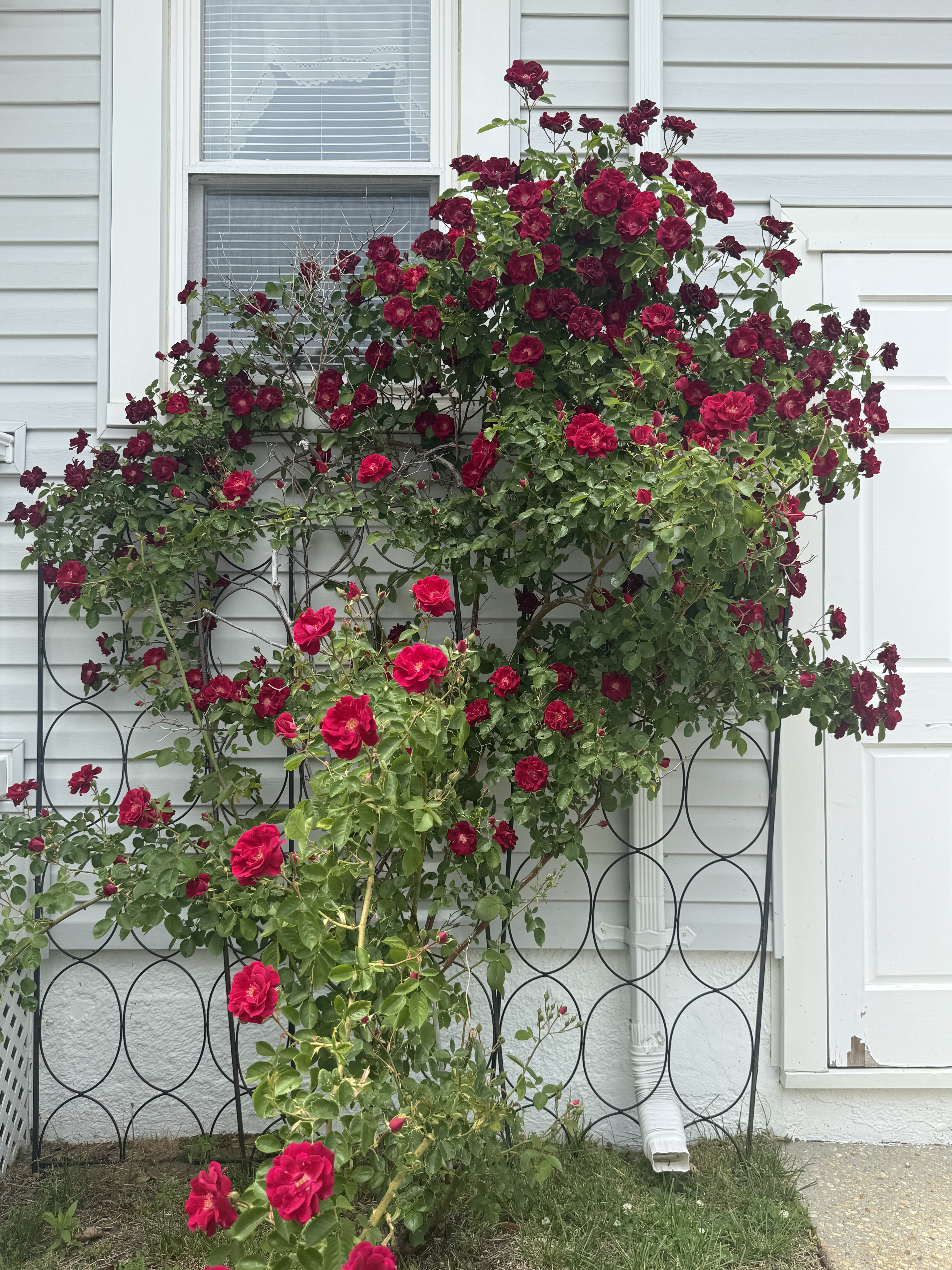
 ) My mom passed in 2008, so this rose bush has been around for a long time. Thank you for the reply.