I am sure there are info about this. But this is about a certain situation. We are moving from north San Diego county to northern Alabama in 2 weeks. So my wife’s mom lived on the house for 60 year. She died 2 years ago. About 25 years ago she plants a bunch of roses. I thought it would ve nice to take 2 of them with us. A surprise for her when get there so I will dig them up and get as much of the roots as possible. Now do I prune it back like I normally would or no because that will add another big stressed on the plants. I plan on putting the in soil for the 2 days of travel.
First, water them very well several days prior to digging them so they are full of water and more easily able to endure not only the loss of roots (digestive system) but the stress of being in the dark and possibly hot truck. Determine what size container you’re going to pot them in prior to digging. If you can obtain and handle 15 gallon nursery cans, those will provide the largest easily handled root ball size. Definitely prune the tops to match the roots. If they are 5’ tall, they likely have roots at least 5’ into the soil, whether they’re straight down or out to the sides. If you cut the root system down to 2’, the tops are going to die back to at least 2’, possibly more. Balancing the tops with the bottoms helps reduce the extreme stresses on the plant until they can regenerate the feeder root system required for them to survive. Don’t worry about filling the cans with native soil. Obtain a good quality potting soil to help make up any soil loss to the root ball and to pot them in the nursery cans. The potting soil drains better in containers than native soils do, which reduces the potential for the roots to rot in overly wet soil or dry out in overly dry conditions. Once you arrive at your destination, the potting soil will help you be able to successfully hold them until you can plant them. I doubt they will attempt to flower after such treatment, but if they do, I’d keep the flower buds pinched off to reduce the stress on the plants.You want to redirect any growth into the production of canes and foliage to feed the plants. I don’t know what to expect from the weather at your destination, but I would place the canned transplants in bright, filtered light, preferably morning sun if at all possible, as that’s the brightest, coolest sunlight. Being cooked by hot, direct sun is going to be the greatest enemy of the transplants so you want to make sure they remain properly watered and permitted bright, clean sunlight without the “cooking” of the afternoon sun…if at all possible. Once they have leafed out again and begun growing in their cans, transplanting them into their new locations will be safer and hopefully easier. Once they’ve begun growing again, you can gradually move them out into increasingly more direct, hotter sun to acclimate them to the conditions they will be planted in. Think of what we are advised to do after being inside most of the winter before we go out in skimpy clothing into the hot, direct sun. You want to gradually expose your skin and the plants, to increasingly brighter, hotter conditions to ease you and them into being used to the heat and light to prevent either from being fried. Good luck on the move. I hope you can enjoy your new climate.
1 Like
Thank for your help. One more quetion.
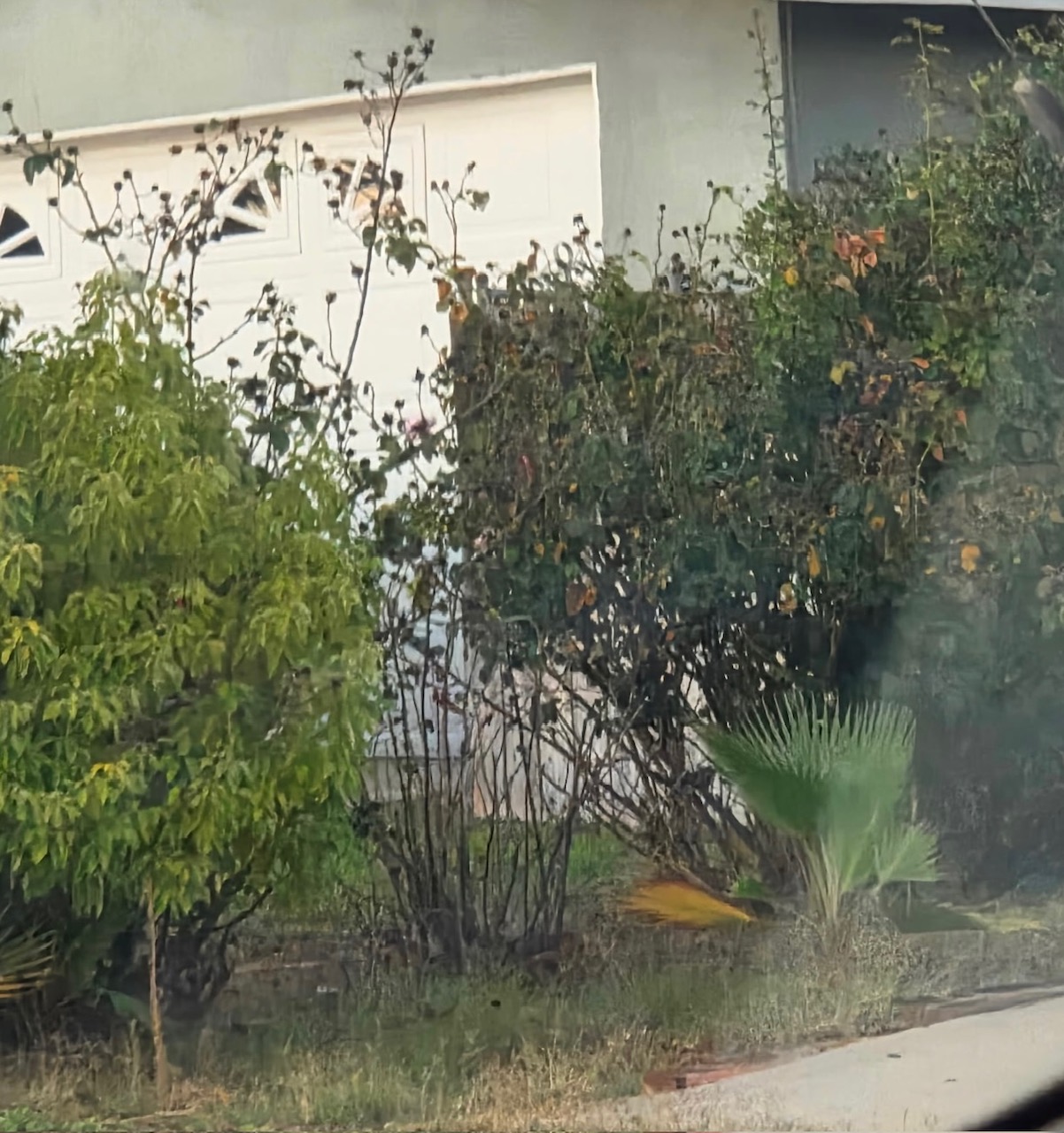
They have let the bushes get out of hand. Should I still cut them nav to 2’?
You’re welcome. Yes, if you’re going to dig the plant, for whatever reason, it needs to be balanced, top and bottom, to reduce the stress on it. You can literally bare root a rose virtually any point in its existence. You want it balanced, top and bottom and you want it to be kept from drying out until it can support itself. Newly planted bare roots as well as transplants are primarily lost because they’ve been allowed to dry out before regenerating their feeder root system which enables them to absorb water and nutrients to support itself.
Start by pruning them down to approximately the height you want them to be for transit. Don’t be afraid of removing too much wood. Leaving more root than top growth is preferable to leaving too much top growth compared to root length. Then begin circling the plant with the shovel to create the soil ball you hope to remove. It’s probably going to break up quite a bit but if they’ve been sufficiently watered in the past few days and you remove the plant and get it into a container of potting soil and watered in well, it should hold well. I’ve accomplished what you hope to, far too many times in the past. I’m glad it’s you doing it this time rather than me. Good luck.
1 Like
Thank you, My wifes mom died 3 years ago, she lived in that house 60 years ago. She planted those roses so many years ago. My wife wants to plant roses in our new house as well. So I am going to see if the new owners of the house will let me dig them up and surprise my wife with them when we get to Alabama. So I want to do everything I can to make them survive. Should I add root fertilizer or some other kind to the potting soil to help this ensure a better chance of survival?
Fino
2 Likes
You’re welcome. I’m sorry for yours and her loss. Some recommend using Vitamin B1 which used to be sold everywhere. Others suggest Superthrive or Miracle Gro Quick Start. Water will do pretty much everything you need done. Any kind of “fertilizer” is the salt form of the nutrients. They are absorbed into the rose by pulling the distilled water out of the plant and replacing it with the saltier water from the soil. As long as the plant is sufficiently watered, it can safely make that “salt” exchange without damaging it. Fertilizing a plant that needs water can literally burn and even kill it by pulling too much water and replacing it with too much salty water. If you want to use one of the transplanting liquids, give it a try, just make sure you follow the instructions to the letter and that the roses are properly watered prior to digging and while potted.
Once you reach your destination, keep them properly watered. If they aren’t leafing out yet, you can try a number of things to prevent them from drying out. Ideally, you want to keep the canes dark, damp and cool. You’re probably going to have many cardboard boxes from the move. You can make cylinders of cardboard to fit inside the cans. I’d set them to fit a few inches lower than the rim of the pots. Fill them with potting soil or mulch so they bury the canes leaving only the top inch or two exposed to the air. Keep them watered until they begin pushing new growth from the cane ends.
As new growth begins, you can begin removing the soil from the cylinders to gradually expose the canes Not mounding newly planted bare roots in damp soil until they break dormancy into new growth is the fastest, easiest way to permit them to dry out and not grow. Making cylinders to hold damp soil once you arrive at your new home and keeping the canes dark, damp and cool until they start growing will give you the best chances of success.
In an ideal world, the seasonal rains will start shortly after your arrival at the new home. Planting the roses before a period of rain, which will keep them bathed in water which prevents them from drying out, will settle them in perfectly and get them growing quickly. If you want to plant them and the rains aren’t on the way, create the cardboard cylinders and bury their bottoms a few inches deeper than the surrounding soil then fill them with potting soil or mulch as I suggested, keep them watered and the soil or mulch in the cylinders damp until they begin pushing new growth. Gradually expose the canes as the new growth develops. You can literally begin cutting them down and pull the soil out to use as mulch around the roses. It may sound like a lot of work, but it works. It’s how I have planted every bare root and transplanted rose for literally 45+ years and I’ve not lost one.
It’s too bad there isn’t more time before the move. It would be easier and probably safer if you had time to root a number of cuttings of each rose so you had back ups in case something goes awry. But, it is what it is and life often gets in the way. If you can accomplish what I’ve suggested, you should have success. My fingers are crossed for you! Good luck!
1 Like